

Can a mechanical seal be repaired, or should it be replaced?
Repair or replacement starts with the condition of the seal and the duty it has to handle.
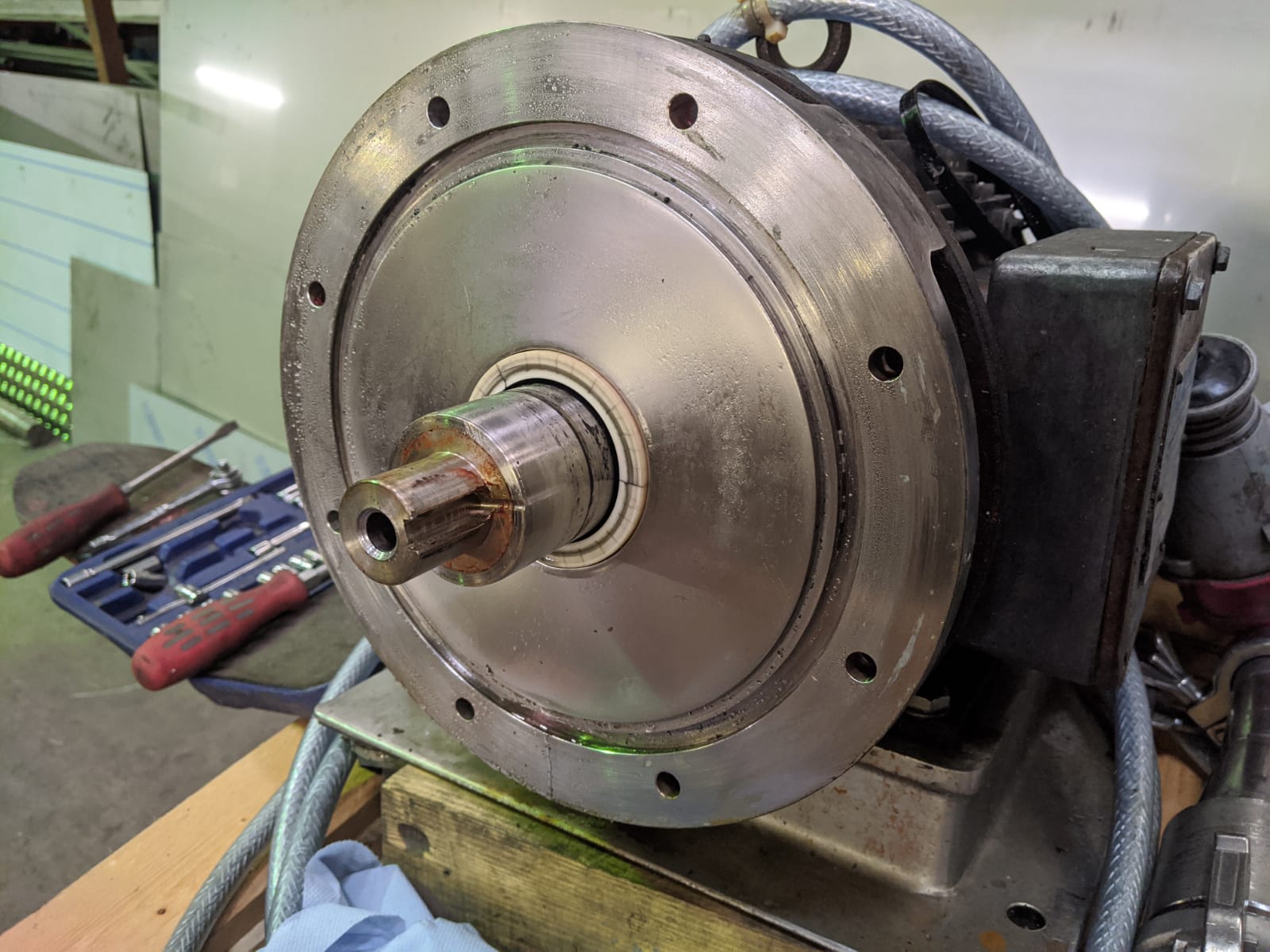
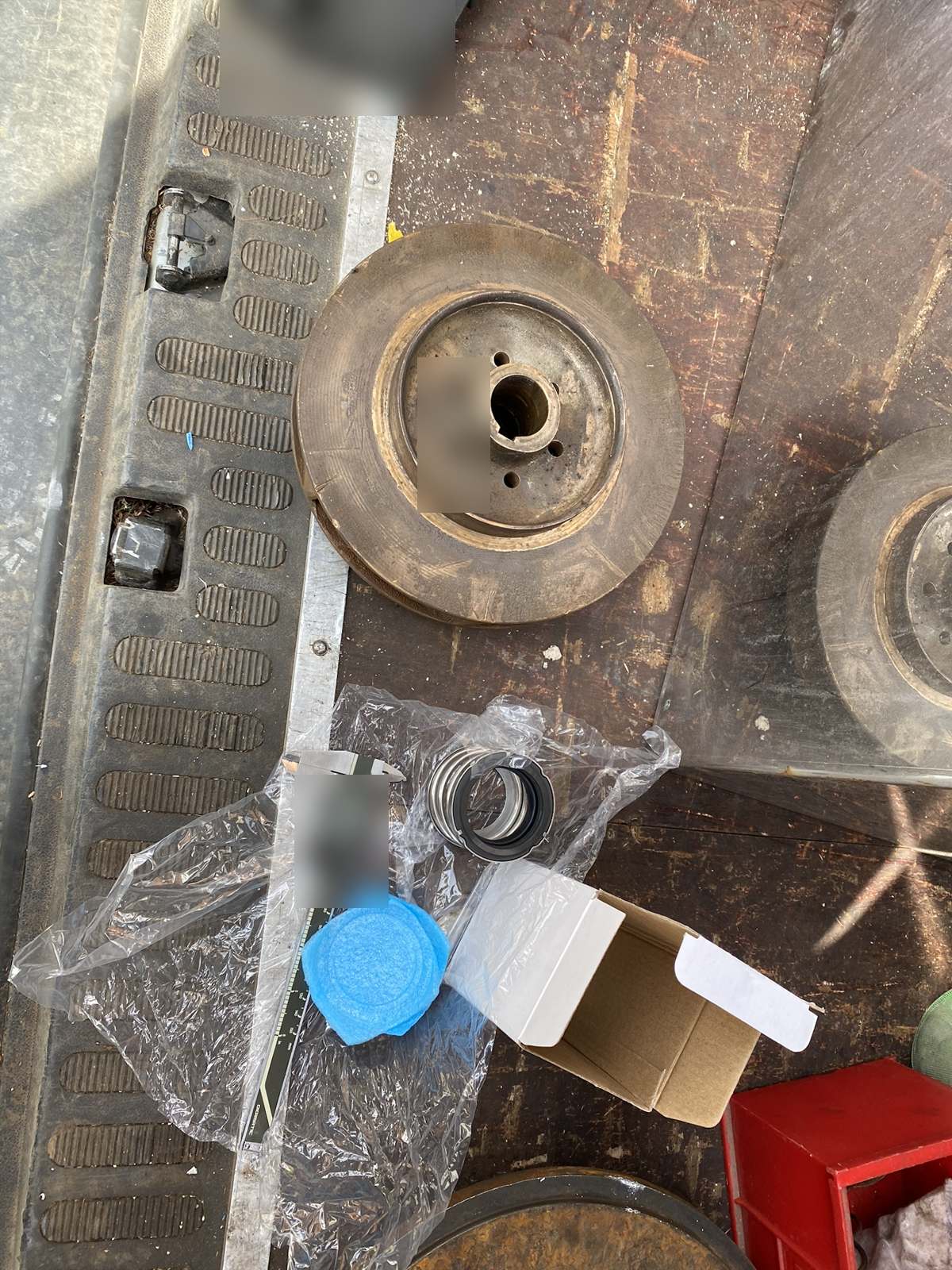
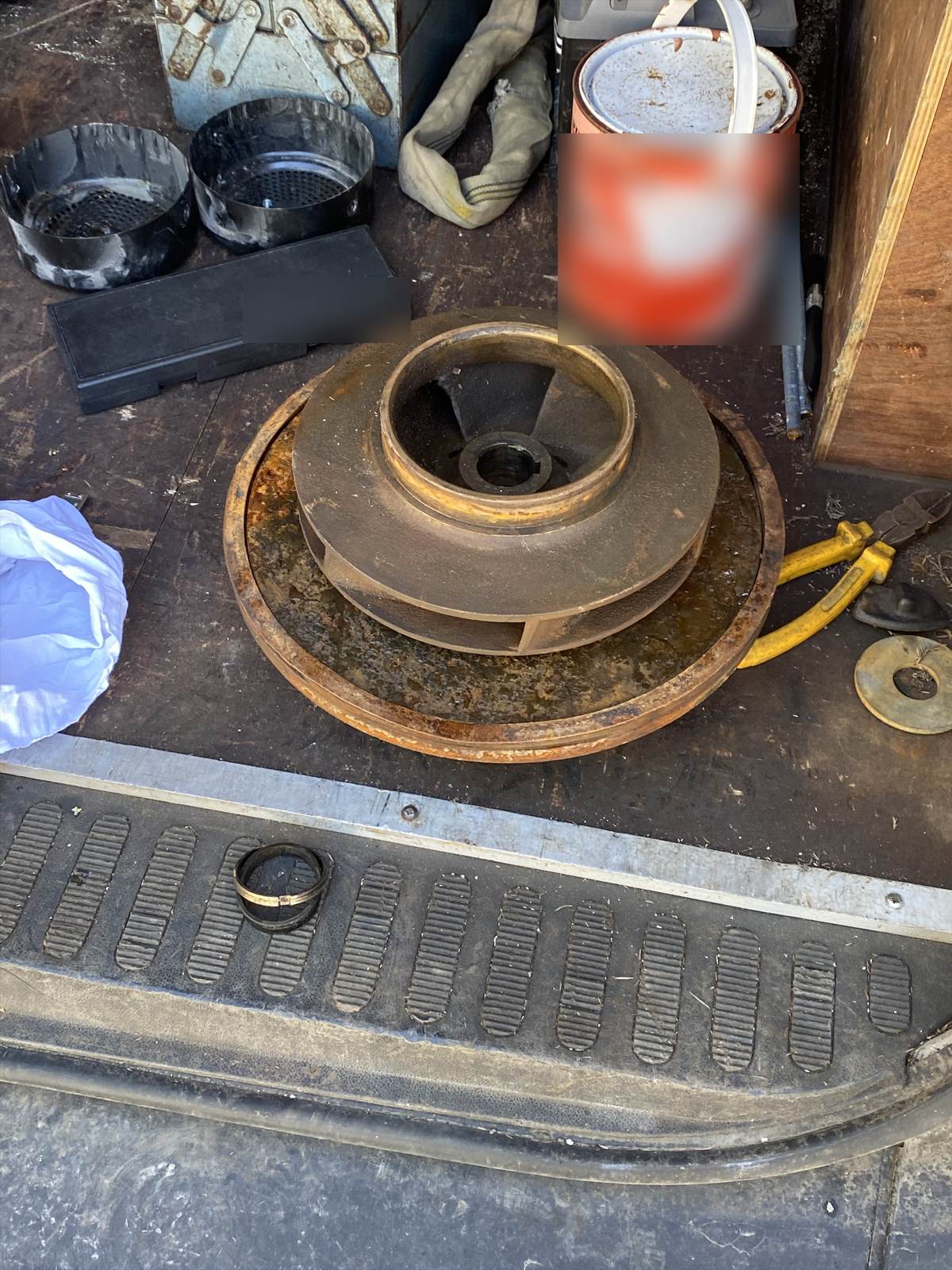
Can a mechanical seal be repaired?
Some mechanical seals can be refurbished. That does not mean every failed seal should be repaired. Inspection checks the faces, secondary seals, springs, sleeve, gland and other parts before a repair scope is agreed.
Acumen arranges refurbishment through specialist partners. The quotation confirms the work, price, lead time and any warranty. Do not assume refurbishment is always cheaper or quicker than a replacement.
When should I consider replacement instead?
Consider replacement when inspection finds damage that makes repair unsuitable, parts cannot be obtained, or the existing design does not suit the duty. Compare both routes against the consequence of another failure, not only the purchase price.
If the same assembly has failed repeatedly, check the cause. A repair should also address the cause of failure, including material compatibility, lubrication and equipment condition. Restoring the faces alone may leave the original problem unresolved.
What should I send before returning a seal?
Send photographs, the seal reference, pump details and a description of the failure. Include the fluid, temperature, pressure, speed and any cleaning cycle.
Agree return instructions first. Used seals must be cleaned and decontaminated as required, with the relevant safe handling information supplied. Keep the assembly and its parts together so the inspection has the full picture.
For replacement selection, see the mechanical seal selection guide.